
The control plane for enterprise AI.
One place to see what your company spends on AI, who is spending it, and keep it inside the budgets and rules you set, across every model, application, and team.
Built by leaders from
What Behest does
Behest is the control plane for enterprise AI. It shows AI usage across every model, application, team, and workload, what it costs and who owns it, stops overspending before the bill arrives, and helps protect sensitive data on the Enterprise plan. AI Token FinOps is its cost-control layer.
- Founded
- 2025
- Headquarters
- Campbell, California
- Deployment
- SaaS or self-hosted
- Core capabilities
- Visibility, budgets, governance, routing
Leadership Team
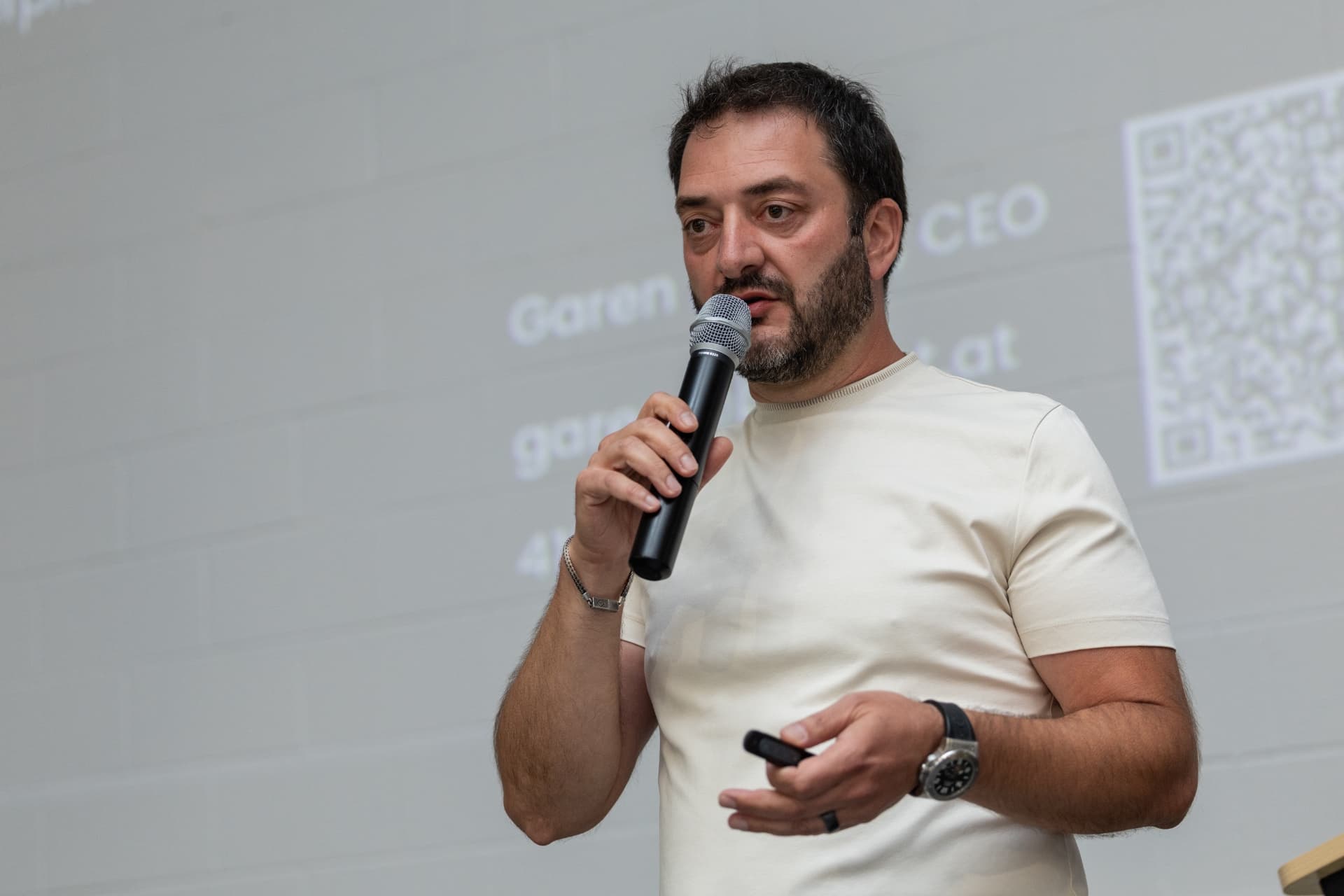
Garen Azizian
Chief Executive Officer
- VP, Forcepoint
- Sr. Director, Palo Alto Networks
- Ex–Oracle
- USPTO Patent Inventor
Garen has spent more than 25 years building enterprise systems across security, cloud infrastructure, licensing, billing, data, and monetization. At Palo Alto Networks, he led Enterprise Applications and Quote-to-Cash engineering, including licensing and marketplace infrastructure spanning AWS, Google Cloud, Azure, and Oracle Cloud. He later served as a VP at Forcepoint, leading the Business Transformation and Big Data organizations. Earlier, at Audible Magic, he built content monetization technology at scale and became a named inventor on a granted USPTO patent (US 11,995,609). He founded Behest to bring the visibility and operational control enterprises expect from cloud and security infrastructure to AI.
LinkedIn
Levon Mikayelyan, PhD
Chief Technology Officer
- Co-Founder, Zangi (10M+ users)
- Ex–AWS
- Ex–Palo Alto Networks
25+ years architecting globally scalable, secure software and infrastructure platforms. Co-founder of Zangi, a privacy-first communications platform that scaled to more than 10 million users. Former engineering leader at Amazon (AWS) and Palo Alto Networks, with deep experience in distributed systems, privacy, security, and enterprise infrastructure.
LinkedIn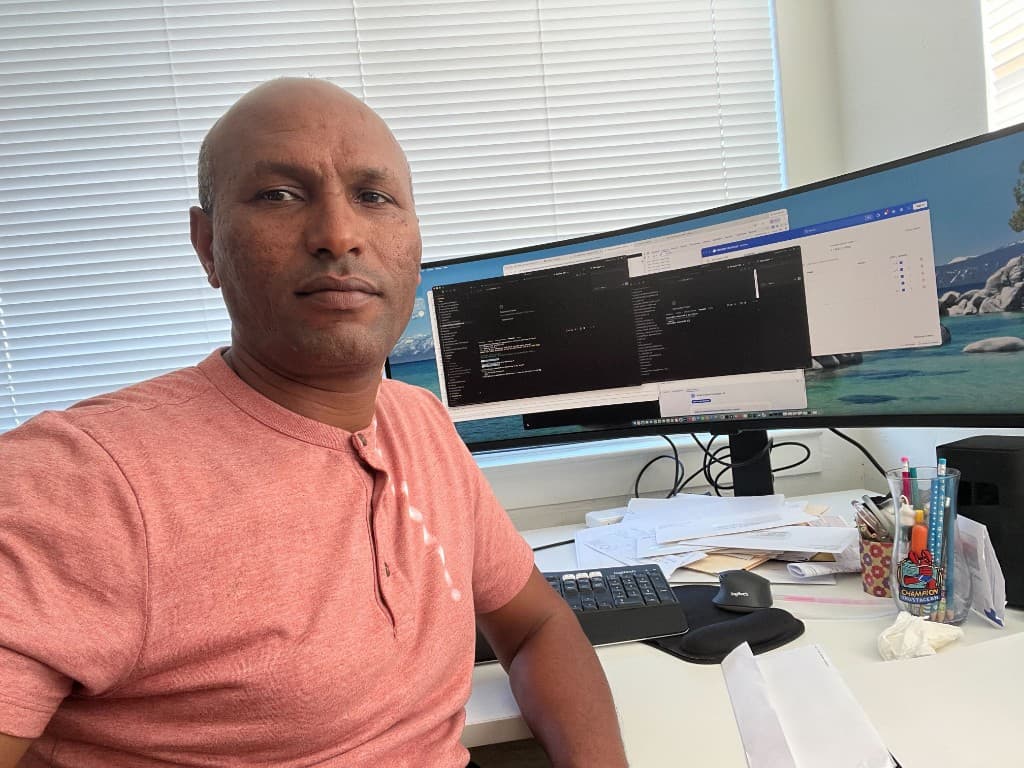
Tecali Tekeste
Founding Engineer
- Ex–Palo Alto Networks
- 20+ yrs Engineering
20+ years of software engineering experience building and scaling high-performance backend and enterprise infrastructure. Previously at Palo Alto Networks alongside Garen and Levon, bringing deep enterprise security and infrastructure experience to the AI systems he now builds at Behest.
LinkedInWhy we built Behest
We spent decades building systems inside companies that operate at enterprise scale: Palo Alto Networks, Oracle, and Amazon. Then AI adoption accelerated.
Teams picked up new models and AI tools faster than anyone could track. Developers adopted coding assistants. Employees used AI directly on their own machines. Usage spread faster than the controls.
Finance saw the bill after the fact. Security could only protect what it knew about. Engineering kept rebuilding the same plumbing. No one had one place to see and control AI across the company.
So we built Behest: the control plane between the enterprise and AI. One place to see AI usage, know what it costs, keep it within budget and policy, and choose the right model for the job.
Our principles
Control the AI, not the people using it
Governance should not mean another approval queue. Behest applies budgets, policy, and safety checks automatically as AI is used, so teams keep building while the company stays in control.
You can't control what you can't see
Every AI request should trace back to an application, a team, or a person. That includes the AI your applications call and, where Radar is deployed, the AI tools employees and developers use on their own machines. Visibility comes first. Control follows.
Your keys. Your data. Your call.
Run Behest as SaaS or self-host it in your own environment. Bring your own provider keys and decide where your AI traffic goes. When self-hosted, Behest itself stays inside the environment you already operate and audit.
Security & data handling
Built to fit the security program you already have
Run Behest as SaaS in our cloud, or self-host it on the Enterprise plan so your provider keys and settings stay inside the environment you already control and audit. Every AI call can be recorded for audit, access is controlled per organization and per user, and personal data can be scrubbed before a request reaches an outside model. These are technical controls that can support your security, privacy, and compliance requirements, including programs aligned with SOC 2, HIPAA, and GDPR.
Behest provides technical controls that support your compliance obligations. Your certification and its scope remain yours to determine with your auditor.
Visit the Trust CenterQuestions
Common questions about Behest
- What is Behest?
- Behest is the control plane for enterprise AI: one place to see AI usage across every model, application, team, and workload, know what it costs and who owns it, stop overspending before the bill arrives, help protect sensitive data, and pick the right model for each job. AI Token FinOps is its cost-control layer.
- What is AI Token FinOps?
- AI Token FinOps is the cost-control layer of an enterprise AI control plane. It brings attribution, budgets, forecasting, and real-time enforcement down to the model-call level, so companies can understand and control AI spend before the provider invoice arrives.
- How does Behest AI handle AI Token FinOps?
- Behest AI provides built-in AI Token FinOps with per-tenant cost attribution, department chargebacks, and inline token budgets. It operates on a pure SaaS license model with no token markups, ensuring predictable AI spending.
- Can I set token limits per user?
- Yes. Behest AI allows you to enforce strict token budgets inline. You can set limits per user, per project, or per tenant to prevent runaway loops and unexpected API bills.
Talk to the people building it
Evaluating Behest? See the product and get straight answers on cost, security, and rollout from the people who built it.
Talk to the founding teamAlready running AI in production? Learn about the Behest Design Partner Program.
Get our latest thinking on running AI in the enterprise.